
VPA-HIP Grants Continue to Provide Habitat, Quality Access for Waterfowl Hunters
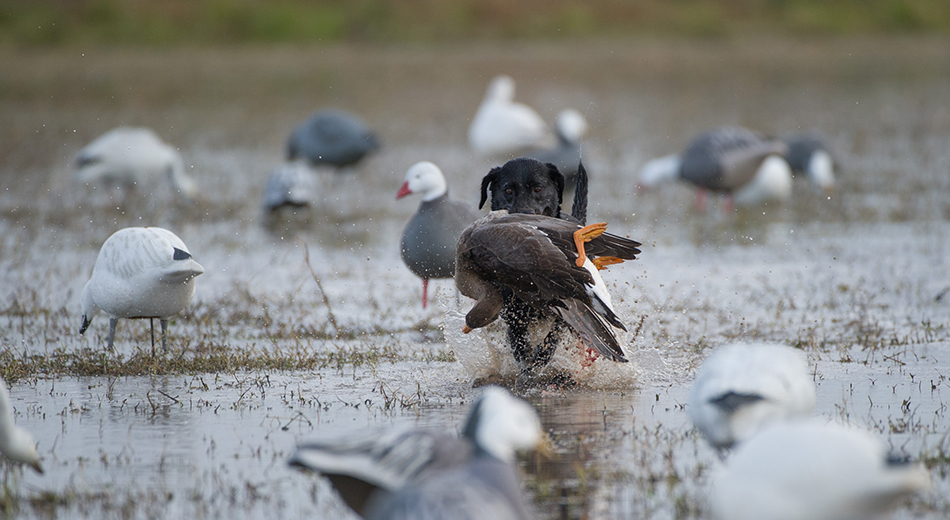
$52 million in Natural Resources Conservation Service grants will fund projects across the United States
The Natural Resources Conservation Service recently announced the 2026 Voluntary Public Access and Habitat Incentive Program project selections. VPA-HIP will provide $52 million for projects in 19 states to increase quality wildlife habitat and public hunting access on private lands.
“The benefit for ducks and duck hunters from VPA-HIP cannot be overstated,” said John Devney, chief policy officer for Delta Waterfowl. “As with all conservation, private landowners are a critical piece of the puzzle. Opening private land for public access and providing incentives for habitat improvement is a win-win for duck hunters. At a time when access for duck hunters is scarce, VPA-HIP plays an important part in creating new access for hunters.”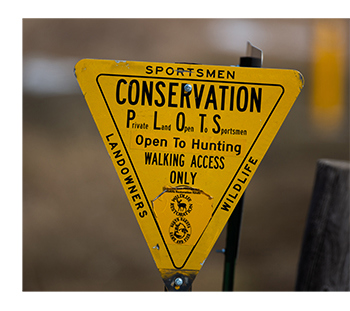 Approved grants include the WRICE program in Arkansas and PLOTS in North Dakota. WRICE, also known as the Waterfowl Rice Incentive Conservation Enhancement program, pays rice producers to flood their fields after harvest. Those fields are then open for public waterfowl hunting via a draw system.
PLOTS, Private Land Open to Sportsmen, provides annual incentive payments for North Dakota landowners who open their land to walk-in hunting access. All lands enrolled consist of tracts in Conservation Reserve Program, Emergency Watershed Protection, or Wetland Reserve Easement programs through the U.S. Department of Agriculture.
“These examples and many others are the reason Delta and many of our colleagues continue to prioritize VPA-HIP as important program offerings by NRCS,” Devney added. We’re grateful for the commitment of NRCS Chief Colton Buckley to VPA-HIP and quality waterfowl habitat and this effort to increase access. Buckley understands the benefit of private landowner conservation to the overall quality of duck habitat.”