
Delta Waterfowl Volunteers Plug into the Public Timber Project to Improve Our Refuges
An Arkansas nonprofit is mobilizing duck hunters to improve neglected public lands
The scene is all too familiar across public lands: trash pooling along lake banks, litter staining boat ramp corners, debris marking yesterday's campsite. This visible deterioration of the places we choose to recreate has become impossible to ignore. Yet, the litter is merely a symptom of a deeper problem — our National Wildlife Refuge System is failing, starved of funding and staff while billions in critical maintenance goes unaddressed. Many hunters and outdoorsmen and women are ready to act, and one grassroots organization is proving that change starts at the local boat ramp.
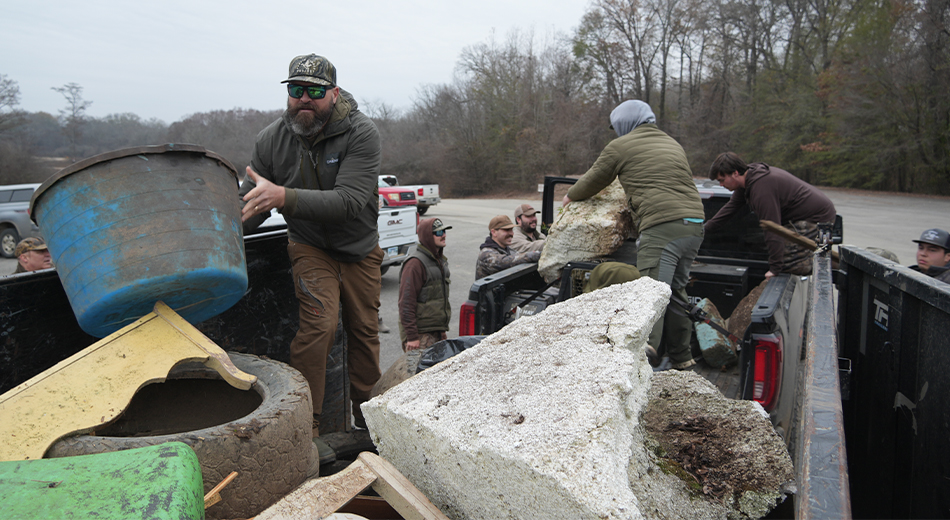
Founded just over a year ago, the Public Timber Project is a 501(c)(3) rooted in hunters and citizens who believe stewardship of our public lands are both our responsibility and opportunity. In their first year, they have organized more than 100 boat ramp cleanups and hands-on projects directly improving the public hunting experience and well-being of ducks. While the organization began its work in the world-renowned duck hunting landscape of Arkansas, it has begun branching out to other regions to expand their impact, working together with duck hunters from all walks to pick up trash and build community.
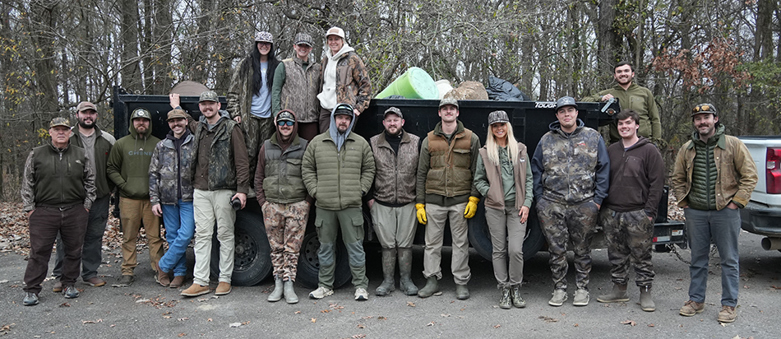
"Most of us here at the Public Timber Project are Delta Waterfowl members and supporters,” said Ich Stewart, founder of the Public Timber Project. “We are also all Ducks Unlimited members and supporters. Conservation across the landscape is important, but many of our issues are local and cultural. So, we started something focused on the local boat ramp."
Stewart wanted to organize cleanups where everyone was welcomed regardless of what organization they belong to, so they could work with local chapters to fix local problems. Along the way, the group became volunteers at their local U.S. Fish and Wildlife Refuges befriending managers as they witnessed firsthand how much work is neglected because of lack of funding and workforce, a broader issue that The Duck Hunters Organization™ is also working to tackle.
"Delta Waterfowl's 'Restoring Our Refuges' initiative is right up our alley,” Stewart said. “Our refuges need our help, not our sentiments. They need our sweat and our time. We need to show up. So, it's time to start working together."
Delta Waterfowl launched Restoring Our Refuges in 2025, an impactful advocacy campaign to secure enhanced public funding to revitalize the health and waterfowl value of federal refuges and state-owned wildlife management areas throughout the United States. The need is substantial. During the COVID-19 pandemic shutdown in early 2020, Delta helped identify more than $250 million in “deferred maintenance” on priority waterfowl and wetland projects within the NWR System, with broader system shortfalls estimated at $2.6 billion. It’s a crisis that demands solutions through both political and individual action.
A large part of the Public Timber Project's mission is partnering with other organizations and individuals to increase their impact. Delta Waterfowl Chapter members and staff have volunteered at many of these cleanups, including Millie Winkelman, Delta Waterfowl's digital content coordinator, who joined a wildlife management area cleanup in her home state of Arkansas in December.
“I'm guilty of it too, but we spend so much time talking about what we can't fix when it comes to duck hunting, when there are plenty of ways we can make a difference on an individual level, if we try," Winkelman said. “Spending time with the Public Timber Project was eye-opening and inspiring. Being stewards of the land and the places we hunt is essential if we want to continue this tradition for decades to come.”
Rolling up our sleeves and making an impact at your local refuge is something every duck hunter can do today. To learn more about the Public Timber Project and get involved, visit publictimberproject.org. — Christy Sweigart